

We’re on a mission to help every Indian understand what a credit score means and how to improve it.
By empowering people with knowledge and tools, we’re building a financially confident India.

Knowledge Partner






 1min
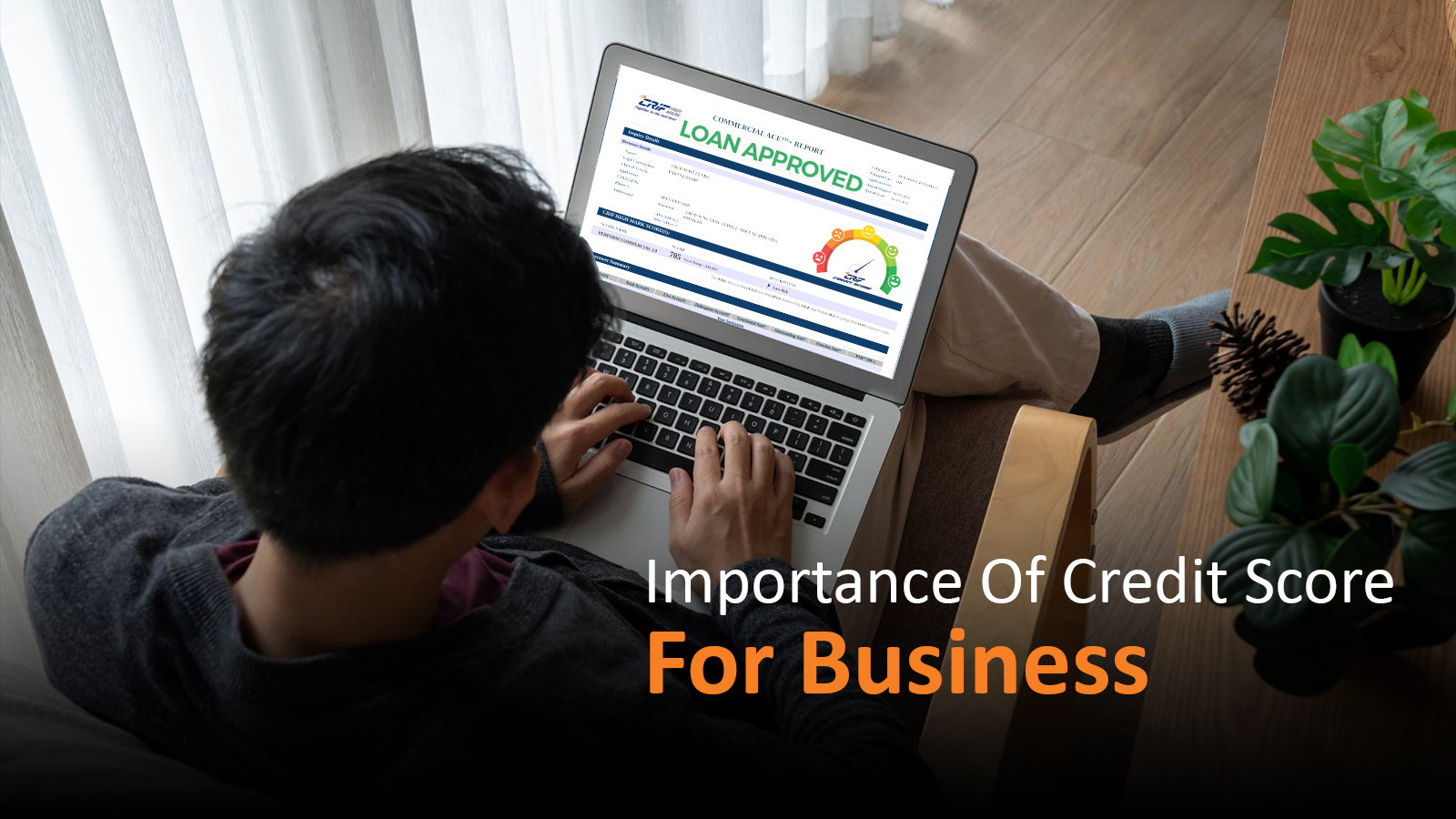
1min A business credit score is a vital indicator of a company’s financial health and creditworthiness. It influences how lenders, suppliers, and partners perceive your business....
 1min
1min The world of online shopping has introduced a deceptively simple financial
 1min
1min A good education is an investment, and that often means taking out an Education Loan.
 2 Minutes
  2 Minutes
  2 Minutes
  2 Minutes
Good scores = lower rates on home, car, and personal loans.

High scores unlock credit cards with rewards, cashback, and perks.

Good scores = lower rates on home, car, and personal loans.

Good scores = lower rates on home, car, and personal loans.





See How Different Actions Can Affect Your Credit Score Without Impacting Your Real One.
 Curious about your Credit Score?
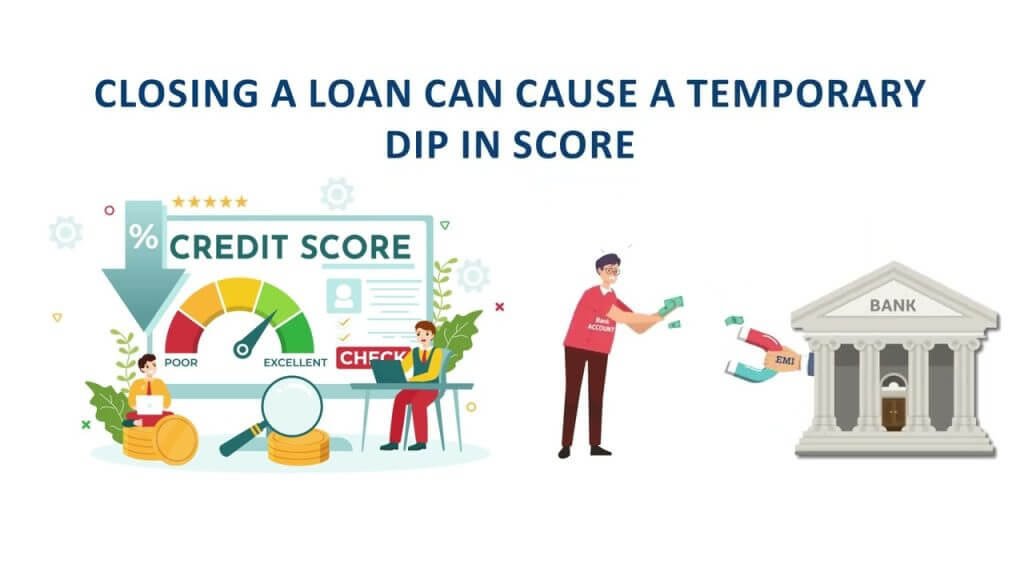
 See what happens to your score if you apply for or close a loan/credit card, pay off balances or make a late or what happens if you use the full limit on your credit cards
Powered by

You are being redirected to a third-party website/application (the “Site”) on which YES BANK LIMITED Limited (the “Bank”) exercises no control or ownership. The Bank expressly disclaim any liability for any kind of deficiency in any of the services being provided/facilitated through the Site. The Bank will not be liable or responsible for any kind of loss that you may suffer/incur (i) by availing/relying the Information and/or services being facilitated through the Site, (ii) because of accessing the Site, including but not limited to, any system failure, virus and/or malware attack, data loss, data theft etc., and (iii) due to sharing/disclosing on the Site, any data/information pertaining to you or any third party
Proceed