Updated: December 15, 2025
EMI: Your Credit Score’s Best Friend or Worst Enemy?
Overview
Equated Monthly Installments (EMI), have revolutionized how we make purchases in India, turning large expenses into manageable monthly payments. From the latest smartphone to a car, EMIs make spending accessible. However, while they are convenient, every EMI you take is a recorded commitment, and you must understand the simple truth: EMIs absolutely affect your credit score. The impact can be either significantly positive or devastatingly negative, depending entirely on your behavior.
The Two Sides of the EMI Coin
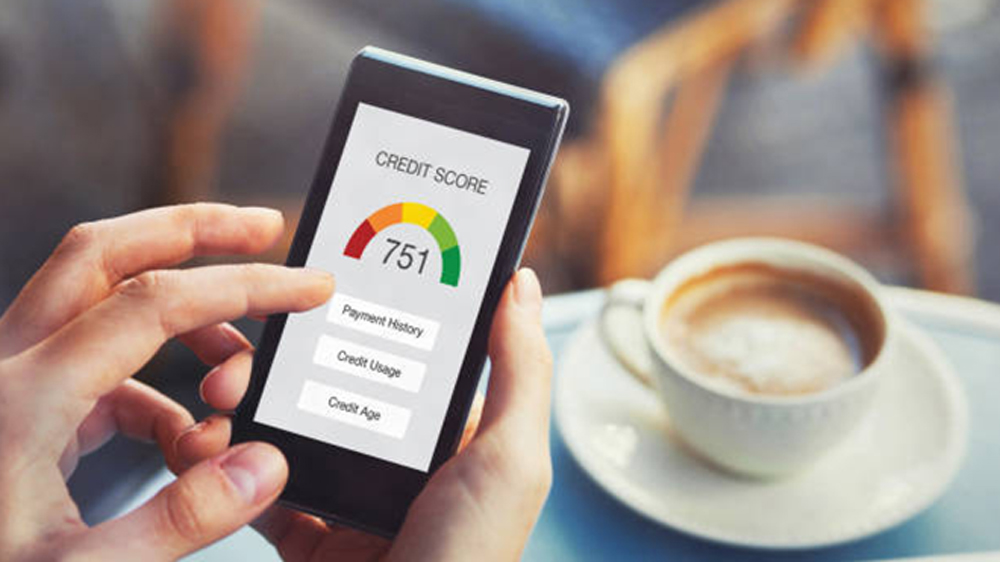
Your credit score is a reflection of your financial responsibility, and every EMI payment reports directly to credit bureaus.
- The Positive Impact: When you consistently pay your EMIs on time, you show reliable credit behavior. A strong track record of timely payments is the most critical component in building a good credit score. Over time, this discipline makes you attractive to lenders, opening doors to lower interest rates on future loans.
- The Negative Impact: Conversely, missed or delayed EMI payments are the quickest way to ruin your score. Even a single default can lower your credit rating and tarnish your report for an extended period, signaling to future lenders that you are a high-risk borrower. The EMI itself is not the problem; your repayment discipline is the hinge upon which your score swings.
Credit Card EMIs: A Word of Caution
Many consumers convert expensive credit card purchases into EMIs, treating the amount as a short-term loan. While convenient, this action still adds to your overall debt. This increase in outstanding debt can raise your Credit Utilization Ratio. If this ratio crosses the ideal 30% mark, your credit score will suffer. Therefore, a credit card EMI is only helpful if you manage to pay it off without increasing your debt burden or maxing out your card limit.
Strategy for Scoring Success
To ensure your EMIs boost your credit score rather than hurt it, you need a strategy rooted in consistency:
- Never Miss a Payment: Set up auto-debits or reminders to ensure every EMI is paid precisely on time.
- Don’t Overextend: Avoid taking on too many EMIs simultaneously. A high debt burden, even if managed, can reduce your overall creditworthiness in the eyes of lenders.
- Monitor Your Ratio: Keep a close watch on your credit utilization. Even with timely EMI payments, maxing out your credit card limits will still pull your score down.

 Conclusion
EMIs are an excellent tool for managing expenses, but they come with great responsibility. Treat every monthly installment as a test of your financial character, and you will find your credit score rewarding your discipline.