Updated: December 9, 2025
 It’s Not the Due Date, It’s the Cycle: Mastering Your Credit Card Billing Period
Overview
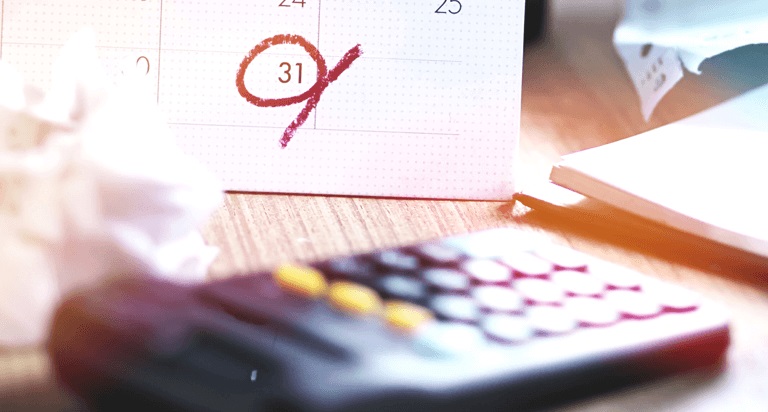
When most people look at their credit card statement, they focus on the payment due date. But if you want to be financially savvy, you need to understand the real engine of your credit card health: the billing cycle. This cycle, typically 28 to 31 days long, is the period during which all your purchases, fees, and payments are tallied. At the end of this period, your statement is generated, and then the due date is set. Understanding this cycle is essential for avoiding interest charges and, more importantly, boosting your credit score
The Cycle That Controls Your Credit Score
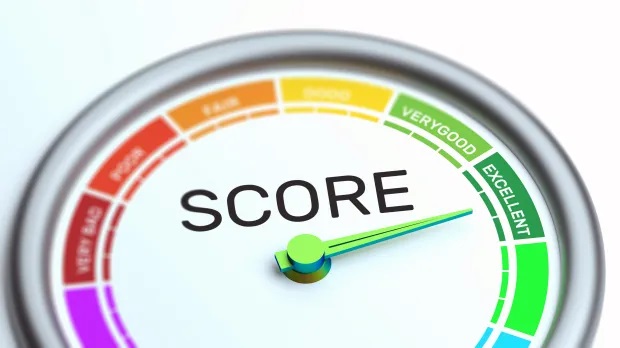
Your billing cycle is critical because it dictates what information the credit bureaus receive about you. The total outstanding balance recorded on the cycle’s closing date is what gets reported, not the balance on the later due date.
This fact is paramount for managing your Credit Utilization Ratio (CUR), the percentage of your total available credit that you are using. If your cycle ends and you have a high balance, say 80% of your limit, that high usage gets reported, which can severely damage your credit score, even if you pay the bill in full a week later. To maintain a healthy score, you must ensure your balance is low (under 30%) before the billing cycle closes.
How to Make the Cycle Work for You
Knowing the dates of your billing cycle allows you to control your finances and spending:
- Time Large Purchases Strategically: If your billing cycle ends on the 25th, and you need to make a big purchase, making it on the 26th means the expense won’t appear on your statement until the next month. This gives you maximum time to repay before the due date, utilizing the grace period fully.
- Pay Early for a Score Boost: Do not wait until the due date to pay your balances. Pay down your balances before the billing cycle officially ends. This ensures the credit bureau sees the lowest possible amount, actively helping you maintain a low CUR and a higher credit score.
- Budgeting Tool: Monitoring your spending within the framework of the cycle helps you track and control your habits before expenses spiral out of control.
 Conclusion
Stop being a passive cardholder just chasing the due date. Start treating your billing cycle as the monthly checkpoint for your credit health. By timing your payments and keeping balances low before the statement closes, you turn a complex process into a simple, powerful tool for financial success.