Updated: December 9, 2025
 The Lender’s Look: What Banks Really Want to See on Your Credit Report
Overview
When you apply for a loan, the lender is not guessing whether you will repay them. They are consulting your Credit Report, a detailed snapshot of your financial history. Think of this report as your financial footprint, and the lender’s goal is to determine one thing: Can this person be trusted with money?
To boost your approval chances and secure the best interest rates, you need to know exactly what they are looking for.
The Big Five Factors Lenders Scrutinize
Lenders focus on several key areas, but these five are the most heavily weighted in their decision:
- Payment History: This reveals if you pay your bills and EMIs on time. Even a single delayed or missed payment raises a huge red flag. Consistent, on-time payments are the strongest sign of reliability.
- Credit Utilisation Ratio: This is the percentage of your available credit you are using. Lenders want to see this ratio below 30%. A high percentage suggests you rely too much on credit and may be financially strained.
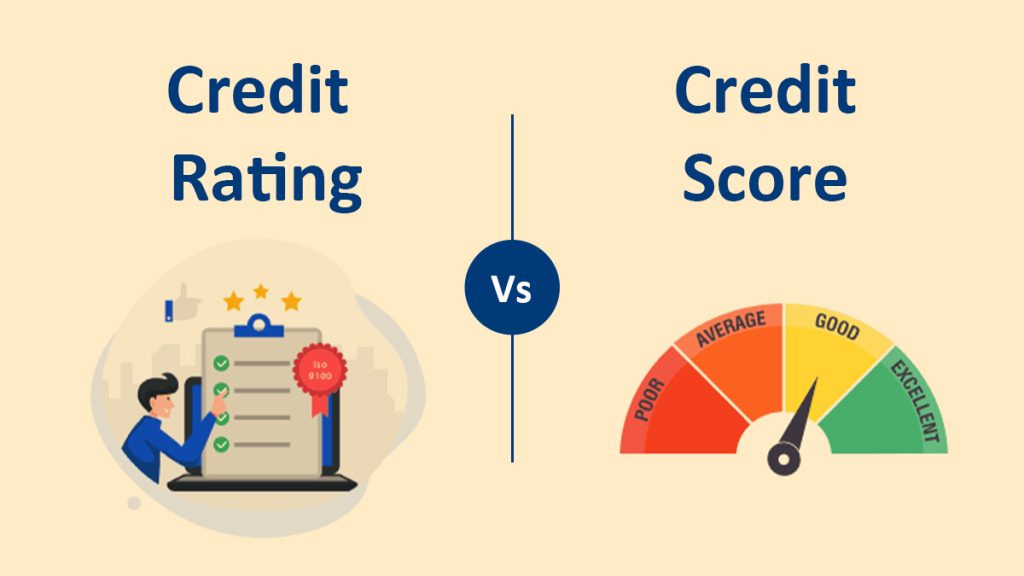
- Credit Score: This single three-digit number is the summary of your overall credit health. While the minimum score required varies by loan type, a higher score always means better chances and terms.
- Length of Credit History: A long, positive track record gives lenders more confidence. They prefer borrowers who have proven their ability to manage debt over many years rather than just a few months.
- Recent Credit Activity: Too many loan or credit card applications in a short period result in numerous “hard inquiries” on your report. This signals to the lender that you are desperate for credit, increasing their caution.
Beyond the Credit Report: Other Essentials
Lenders also look at your current capacity to take on new debt:
- Income and Job Stability: Your regular income and how long you have held your current job assure the lender that you have the ability to make future repayments.
- Debt-to-Income (DTI) Ratio: This ratio compares your total existing monthly debt payments to your total monthly income. A low DTI ratio means you have plenty of room in your budget for the new loan without straining your finances.
 Conclusion
To prepare for any loan application, focus on improving these factors first. Keep your utilisation low, avoid applying for credit unnecessarily, and ensure your payment history is flawless. Your credit report is not just a bunch of numbers; it is the story of your money habits. Make sure that story is a success, and lenders will be eager to work with you.